
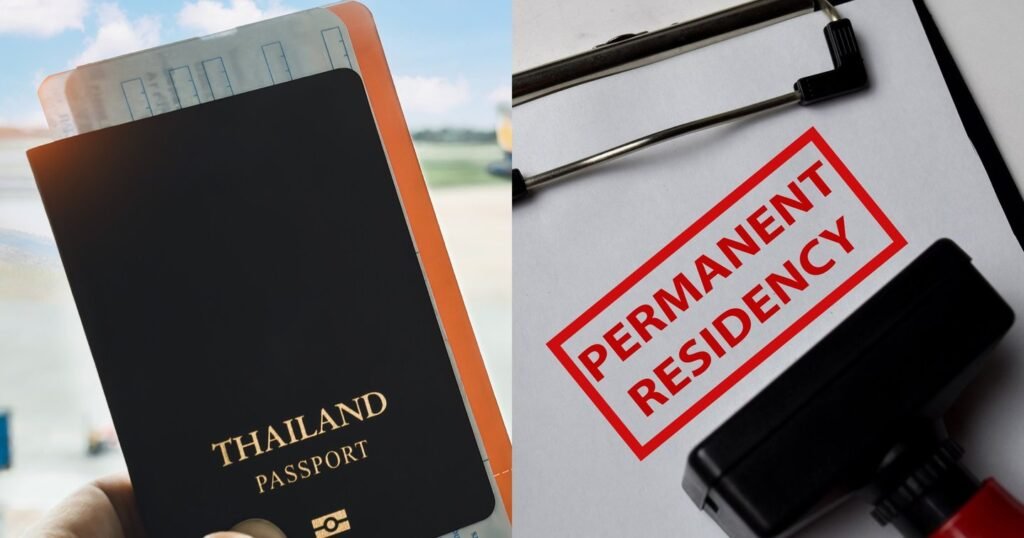
Those who achieve permanent residence in Thailand gain the right to live and work in the country without time restrictions. They can open businesses, own vehicles, access government services, and in certain cases, acquire land. It is the closest status to Thai citizenship available to foreigners.
Permanent Residence vs. Long-Stay Visa
It is important to understand the difference between permanent residence and long-stay visas. Permanent residence is granted indefinitely, while long-stay visas such as the Thailand Privilege Visa must be renewed periodically. However, the Privilege Visa still offers up to 20 years of continuous legal stay.
Cost of Applying for Permanent Residence
The cost of applying for Thai permanent residence includes government fees, translation costs, and professional service fees. Legal assistance is often recommended to navigate the bureaucratic process, though it adds to the overall expense.
Timeframes and Quotas
Thailand limits the number of permanent residence approvals each year to around 100 per nationality category. This quota system means that even well-qualified applicants may face multi-year waiting periods. Starting the application early and working with an immigration specialist is strongly advised.
Planning Your Path to Long-Term Residency
Whether you pursue permanent residence or opt for the Thailand Privilege Card, planning your path carefully is essential. Understanding the requirements, timelines, and costs upfront will save you significant time and frustration in the long run.
Internal Links:
→ The Ultimate Long-Term Residency with Thailand Privilege