
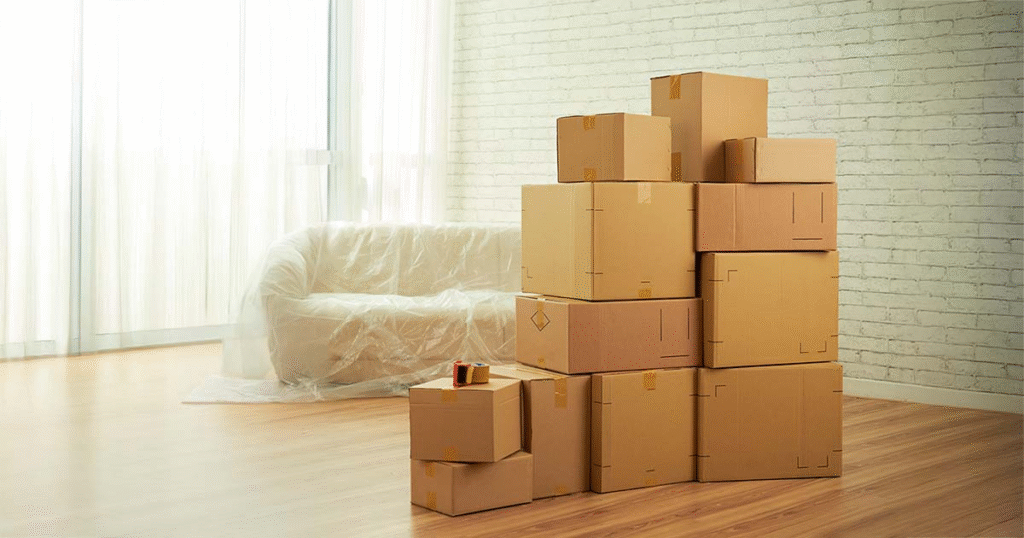
Moving can be exciting for adults, but it can be an emotional experience for children. Their bedrooms are often filled with familiar belongings, favorite toys, books, clothing, decorations, and personal treasures that help them feel safe and comfortable. Preparing a child’s bedroom carefully before moving not only protects their belongings but also helps make the transition easier for the entire family. Choosing Flyttfirma i Sverige can simplify your relocation while you focus on organizing your child’s room with care and attention.
Children may feel anxious about leaving their familiar environment behind. Involving them in the packing process can help them feel included and more positive about the move. A well-organized approach also ensures that their favorite belongings are easy to find once you arrive at your new home, helping them settle in more quickly.
Whether your child is a toddler, school-aged, or a teenager, careful preparation can make moving day much less stressful.
Talk About the Move Early
Before packing begins, explain the move in an age-appropriate way.
Discuss:
- The new home
- The moving timeline
- What to expect
- Exciting opportunities ahead
Open communication helps reduce uncertainty and anxiety.
Let Children Participate
Encourage children to help with simple moving tasks.
They can:
- Sort toys
- Choose decorations
- Label boxes
- Pack books
Participation gives children a sense of control during the transition.
Sort Belongings Together
Go through the room together and organize items into:
- Keep
- Donate
- Recycle
Explain the value of donating toys and clothing that are no longer used.
This also reduces unnecessary clutter.
Pack Favorite Items Separately
Keep your child’s favorite belongings easily accessible.
Include:
- Favorite stuffed animal
- Blanket
- Toys
- Books
- Pajamas
These comfort items help children adjust during the first few days.
Organize Clothing
Separate clothing into categories such as:
- Everyday outfits
- School clothes
- Seasonal clothing
- Special occasion wear
Wash everything before packing to ensure it is fresh upon arrival.
Protect Fragile Keepsakes
Children often have sentimental belongings such as:
- Awards
- Artwork
- Handmade crafts
- Photo albums
Wrap these items carefully using protective materials.
Pack Books by Size
Children’s books can become surprisingly heavy.
Use small sturdy boxes and avoid overloading them.
Label book boxes clearly.
Label Every Box
Write detailed labels such as:
- Toys
- Books
- Clothes
- Bedding
- School Supplies
Color-coded labels can make unpacking easier.
Prepare a First-Day Box
Pack one special box containing:
- Favorite toy
- Bed sheets
- Pillow
- Toothbrush
- Nightlight
- Change of clothes
Having familiar items available immediately provides comfort after moving.
Dismantle Furniture Carefully
If beds or shelving require disassembly:
- Store screws in labeled bags.
- Keep assembly instructions if available.
Proper organization simplifies setup in the new home.
Clean the Room
After packing:
- Dust furniture.
- Vacuum floors.
- Clean windows.
- Wipe shelves.
Leaving the room clean completes the moving process responsibly.
Plan the New Bedroom
Before moving in, discuss where furniture and decorations will go.
Allow your child to participate in decorating their new room.
This encourages excitement about the new home.
Unpack Children’s Rooms First
Whenever possible, prioritize setting up your child’s bedroom.
Start with:
- Bed
- Bedding
- Favorite toys
- Clothing
- Nightlight
A familiar environment helps children feel secure.
Maintain Familiar Routines
Try to continue regular routines after moving.
Maintain:
- Bedtime
- Mealtimes
- Reading routines
- Family activities
Consistency helps children adapt more comfortably.
Celebrate the New Space
Once everything is unpacked, celebrate the completion of your child’s new room.
Allow them to personalize the space with:
- Decorations
- Posters
- Toys
- Artwork
Creating ownership makes the new bedroom feel like home.
Common Children’s Room Moving Mistakes
Avoid these common mistakes:
- Packing favorite toys too early.
- Forgetting comfort items.
- Rushing children through decisions.
- Mixing toys with household items.
- Ignoring children’s emotions.
- Waiting too long to unpack their room.
Thoughtful preparation supports a smoother transition.
Frequently Asked Questions
Should children help with packing?
Yes. Involving children helps them feel included and reduces anxiety about moving.
What should be packed separately?
Favorite toys, blankets, bedtime items, and everyday clothing should remain easily accessible.
Why should children’s rooms be unpacked first?
A familiar bedroom helps children adjust more quickly to their new surroundings.
How can I help my child feel comfortable after moving?
Maintain familiar routines and let them participate in decorating their new room.
Final Thoughts
Preparing your child’s bedroom before moving is about more than packing belongings—it is about helping your child feel safe, included, and excited about a new beginning. By organizing toys, protecting keepsakes, involving your child in the process, and unpacking their room early, you can make the transition much easier for the entire family.
A well-planned move allows children to adapt more confidently while giving parents greater peace of mind. With patience, preparation, and thoughtful organization, your child’s new bedroom can quickly become a comfortable and happy place to grow, learn, and create new memories.