
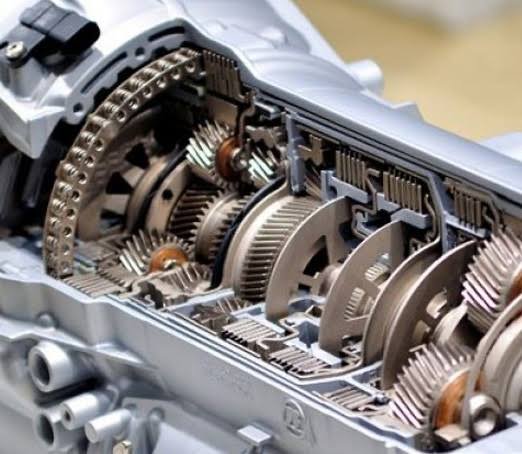
An automatic transmission plays a major role in a vehicle’s performance, comfort, and reliability. It allows drivers to change speeds without manually shifting gears, making everyday driving easier automatic transmission repair near me and more convenient. However, like other mechanical systems, automatic transmissions can develop problems over time. Regular use, poor maintenance, contaminated transmission fluid, and worn components can all contribute to transmission trouble.
Recognizing early warning signs and seeking professional assistance can help prevent minor issues from becoming expensive repairs. Local transmission repair experts can inspect the vehicle, identify the source of the problem, and recommend the most suitable solution. Understanding common automatic transmission problems can help drivers make informed decisions and keep their vehicles running smoothly.
Understanding How an Automatic Transmission Works
An automatic transmission transfers engine power to the wheels while adjusting gear ratios according to driving conditions. It relies on several interconnected components, including transmission fluid, clutches, gears, valves, sensors, and electronic control systems.
Transmission fluid lubricates moving parts, helps manage heat, and supports hydraulic pressure required for proper gear changes. Modern vehicles also use electronic controls to determine when and how the transmission should shift.
When one of these components stops working correctly, drivers may notice unusual noises, delayed acceleration, rough gear changes, or warning lights. Because transmission systems are complex, accurate diagnosis is essential before replacing parts or carrying out major repairs.
Common Automatic Transmission Problems
1. Delayed or Harsh Gear Shifting
One of the most common automatic transmission complaints is delayed shifting. A driver may press the accelerator and notice that the vehicle takes several seconds to engage a gear. In other cases, the transmission may shift suddenly, producing a noticeable jolt.
These symptoms can result from low transmission fluid, worn internal components, hydraulic pressure problems, or faulty sensors. Electronic control issues may also interfere with normal gear selection.
Local repair professionals can inspect fluid levels, scan the vehicle’s computer for diagnostic trouble codes, and test transmission performance. Once the underlying cause is identified, they can recommend an appropriate repair rather than relying on guesswork.
2. Transmission Fluid Leaks
Transmission fluid leaks should never be ignored. Depending on the vehicle and fluid type, a leak may leave red, pink, brown, or another colored mark beneath the car. Some modern transmission fluids have different colors, so appearance alone cannot confirm the source.
Leaks may develop around seals, gaskets, fluid lines, connectors, or the transmission pan. As fluid levels fall, the transmission may experience insufficient lubrication or hydraulic pressure, potentially causing serious damage.
A qualified technician can locate the leak, examine the affected components, and replace damaged seals or lines when necessary. Drivers should avoid simply topping up the fluid without identifying why it is leaking. The correct fluid specification and filling procedure are important for safe operation.
3. Slipping Gears
Transmission slipping occurs when the engine speed rises but the vehicle does not accelerate as expected. Drivers may also notice that the transmission unexpectedly changes gears or struggles to maintain a selected gear.
Possible causes include low fluid levels, worn clutch packs, pressure loss, damaged internal components, or electronic control faults. Continued driving with a slipping transmission can increase wear and make the eventual repair more expensive.
Local transmission specialists can perform diagnostic tests to determine whether the problem involves fluid pressure, electronic controls, or internal mechanical wear. Depending on the findings, the solution may range from a fluid-related repair to rebuilding or replacing the transmission.
4. Unusual Noises and Vibrations
A properly functioning automatic transmission should generally operate without loud grinding, whining, clunking, or repeated vibration. Unusual sounds may become more noticeable during acceleration, gear changes, or when shifting between Park, Reverse, and Drive.
These symptoms do not always indicate transmission failure. Worn engine mounts, damaged axles, wheel bearings, and other drivetrain components can produce similar noises.
Experienced mechanics inspect the transmission alongside related vehicle systems to avoid misdiagnosis. Identifying the exact source of a noise helps ensure that repairs address the actual problem rather than an unrelated component.
5. Overheating Transmission
Excessive heat is one of the major threats to automatic transmission longevity. Heavy loads, frequent stop-and-go driving, low fluid levels, restricted cooling, and internal mechanical problems can cause transmission temperatures to rise.
Overheating may lead to fluid deterioration, poor shifting performance, and accelerated wear. Some vehicles display a transmission temperature warning or enter a reduced-performance mode to protect important components.
A local repair expert can examine the cooling system, inspect fluid condition, check for leaks, and investigate possible internal faults. If a temperature warning appears, drivers should follow the vehicle manufacturer’s instructions and stop safely when necessary. Continuing to drive an overheating vehicle may result in extensive damage.
6. Warning Lights and Electronic Problems
Modern automatic transmissions depend on sensors, wiring, solenoids, and control modules. A malfunction in any of these components may trigger a check-engine light or transmission warning.
Electronic problems can cause unexpected shifting, limited gear availability, or difficulty engaging certain gears. However, a warning light alone does not identify the exact fault.
Professional diagnostic equipment helps technicians retrieve trouble codes and compare sensor readings with expected values. They can then test the relevant circuits and components before deciding whether a repair, software update, or replacement part is required.
How Local Repair Experts Can Help
Choosing a qualified local transmission repair specialist offers several practical advantages. Nearby professionals can provide convenient inspections, explain the condition of the vehicle, and help drivers understand their repair options.
Accurate Diagnosis and Inspection
A reliable repair begins with a thorough diagnosis. Technicians may inspect fluid levels and condition, check for leaks, scan electronic systems, and conduct a road test when it is safe to do so.
This process helps distinguish between minor maintenance needs and more serious mechanical problems. Accurate diagnosis can also reduce unnecessary parts replacement and improve the likelihood of a lasting repair.
Professional Repairs and Replacement
Depending on the fault, transmission service may involve correcting a leak, replacing a solenoid, repairing wiring, servicing the cooling system, or addressing worn internal components.
If the transmission has extensive damage, a specialist may recommend rebuilding or replacing it. A trustworthy repair shop should explain the advantages, limitations, estimated costs, and expected turnaround time of each suitable option.
Drivers should request a written estimate and ask whether replacement parts and completed work are covered by a warranty.
Preventive Maintenance Advice
Local repair professionals can also help prevent future transmission problems by recommending maintenance based on the vehicle manufacturer’s specifications.
Depending on the vehicle, maintenance may include checking fluid condition, servicing the transmission at the recommended interval, inspecting cooling components, and addressing leaks promptly. Some transmissions require specific fluid types or procedures, while others have different service requirements.
Following the correct maintenance schedule can help reduce avoidable wear and support long-term reliability.
Tips for Choosing a Reliable Transmission Repair Shop
Finding the right mechanic is important when dealing with potentially expensive transmission repairs. Drivers should look for technicians with relevant experience, appropriate diagnostic equipment, and a clear approach to customer communication.
Before approving major work, consider asking the following questions:
- What diagnostic tests will be performed?
- What is causing the transmission problem?
- Are there repair options besides complete replacement?
- What is included in the written estimate?
- Is there a warranty on parts and labor?
- How long is the repair expected to take?
Reading recent customer reviews and checking the shop’s qualifications can also help drivers assess its reputation. A dependable repair professional will explain findings clearly and avoid promising a specific result before inspecting the vehicle.
When Should You Seek Transmission Repair?
Drivers should arrange an inspection when they notice delayed gear engagement, slipping, fluid leaks, persistent vibration, unusual noises, or warning lights. Early assessment may help identify a manageable problem before it develops into a major failure.
If the vehicle loses drive, produces severe grinding noises, leaks substantial fluid, or displays an overheating warning, stop in a safe location and arrange professional assistance. Avoid driving a vehicle that may be unsafe or at risk of further damage.
Conclusion
Automatic transmission problems can affect vehicle performance, fuel efficiency, and driving safety. Common issues include delayed shifting, fluid leaks, slipping gears, unusual noises, overheating, and electronic faults. Although some symptoms may appear minor, ignoring them can lead to more extensive damage.
Local transmission repair experts can help by performing accurate diagnostics, explaining suitable repair options, and providing maintenance advice tailored to the vehicle. By recognizing warning signs early, following recommended service intervals, and choosing a reputable repair shop, drivers can protect their investment and improve the long-term reliability of their vehicles. Regular attention and professional care remain essential to keeping an automatic transmission operating as intended.