
Introduction to Thermal Imaging Optics
Thermal imaging optics have transformed the way people see and interpret the world, especially in low-light or no-light conditions. Unlike traditional optics that rely on visible light, thermal imaging optics detect heat signatures emitted by objects, animals, and people. This technology enables users to visualize temperature differences, making it an essential tool for various applications including hunting, security, surveillance, search and rescue, and industrial inspections.
For beginners, understanding how thermal imaging optics work may seem complex at first, but once the basics are clear, it becomes easier to appreciate their value. For professionals, choosing the right thermal imaging optics can significantly impact performance and accuracy in the field.
How Thermal Imaging Optics Work
At the core of thermal imaging optics is infrared technology. Every object with a temperature above absolute zero emits infrared radiation. Thermal imaging devices capture this radiation and convert it into an image that displays varying heat levels.
The process involves several key components:
Infrared Sensor
The sensor detects heat energy and converts it into electronic signals. High-resolution sensors produce clearer and more detailed images, which is critical for both beginners and experienced users of thermal imaging optics.
Signal Processing
Once the infrared data is collected, it is processed and translated into a visual image. Advanced thermal imaging optics use sophisticated algorithms to enhance clarity, contrast, and detail.
Display System
The processed image is displayed on a screen, often using color palettes like white-hot, black-hot, or rainbow modes. These color schemes help users distinguish temperature differences effectively.
Types of Thermal Imaging Optics
Thermal imaging optics come in various forms, each designed for specific applications. Understanding these types helps users select the right tool for their needs.
Thermal Monoculars
These are compact, handheld devices ideal for quick scanning and portability. Beginners often prefer monoculars because they are easy to use and cost-effective.
Thermal Binoculars
Providing enhanced depth perception and comfort for extended use, thermal binoculars are widely used by professionals in surveillance and wildlife observation.
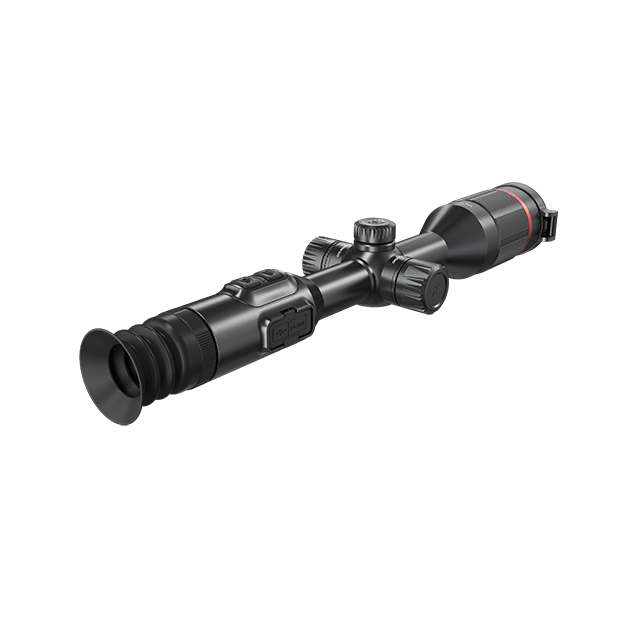
Thermal Rifle Scopes
Designed for precision shooting, these optics are mounted on firearms. They allow hunters and tactical users to detect targets in complete darkness.
Clip-On Thermal Attachments
These devices attach to existing scopes, transforming them into thermal imaging optics without replacing the original setup. They are popular among users who want versatility and convenience.
Key Features to Consider
Whether you are a beginner or a professional, selecting the right thermal imaging optics requires careful consideration of several features.
Resolution
Higher resolution means clearer images. Entry-level users may opt for moderate resolution, while professionals typically require high-definition thermal imaging optics for better accuracy.
Detection Range
This determines how far you can detect heat signatures. For hunting or surveillance, a longer detection range is crucial.
Refresh Rate
Measured in Hertz (Hz), the refresh rate affects how smoothly images are displayed. A higher refresh rate is essential for tracking moving targets.
Battery Life
Reliable battery performance is important, especially for extended outdoor use. Advanced thermal imaging optics often come with long-lasting or replaceable batteries.
Durability
Professional-grade thermal imaging optics are built to withstand harsh environments, including extreme temperatures, water exposure, and rough handling.
Applications of Thermal Imaging Optics
The versatility of thermal imaging optics makes them valuable across multiple industries and activities.
Hunting
Thermal imaging optics allow hunters to detect animals even in dense foliage or complete darkness. This improves accuracy and efficiency while reducing the chances of missing a target.
Security and Surveillance
Law enforcement and security personnel rely on thermal imaging optics to monitor areas at night or in low-visibility conditions. These devices help detect intruders based on heat signatures rather than visible movement.
Search and Rescue
In emergency situations, thermal imaging optics are used to locate missing persons. The ability to detect body heat makes these devices invaluable in challenging environments such as forests or disaster zones.
Industrial Inspections
Professionals use thermal imaging optics to identify heat leaks, electrical faults, and mechanical issues. This helps in preventive maintenance and reduces operational risks.
Advantages of Thermal Imaging Optics
Thermal imaging optics offer several benefits that make them superior to traditional optical devices in specific scenarios.
Visibility in Complete Darkness
Unlike night vision devices, thermal imaging optics do not require any light source. They work effectively in total darkness, fog, smoke, and even light rain.
Enhanced Detection
Heat signatures make it easier to detect hidden objects or living beings, even behind obstacles like bushes or camouflage.
Versatility
From recreational use to professional applications, thermal imaging optics can be used in a wide range of environments and conditions.
Limitations to Keep in Mind
While thermal imaging optics are powerful tools, they also have certain limitations.
Lack of Detail
Thermal images may not provide the same level of detail as traditional optics. Identifying specific features can sometimes be challenging.
Cost
High-quality thermal imaging optics can be expensive, especially for professional-grade devices.
Environmental Factors
Extreme weather conditions, such as heavy rain or dense fog, can affect performance to some extent.
Tips for Beginners
If you are new to thermal imaging optics, starting with the basics is essential. Choose a device that is user-friendly and fits your budget. Spend time learning how different color palettes work and practice identifying objects based on heat signatures.
Understanding the specifications and features will help you make better decisions as you gain experience. Beginners should also focus on proper maintenance to ensure the longevity of their thermal imaging optics.
Advanced Insights for Professionals
Professionals often require high-performance thermal imaging optics with advanced features. Customizable settings, high-resolution sensors, and extended detection ranges are crucial for demanding tasks.
Experts also benefit from integrating thermal imaging optics with other technologies such as GPS, recording capabilities, and wireless connectivity. These enhancements improve efficiency and provide valuable data for analysis.
Maintenance and Care
Proper maintenance is essential to keep thermal imaging optics functioning effectively. Always store the device in a protective case and avoid exposing it to extreme conditions unnecessarily.
Clean the lens carefully using appropriate materials to prevent scratches. Regularly check the battery and update firmware if applicable. Taking these steps ensures consistent performance and extends the lifespan of your thermal imaging optics.
Conclusion
Thermal imaging optics have revolutionized the way we see and interact with our surroundings. By detecting heat rather than relying on visible light, these devices provide unmatched capabilities in darkness and challenging environments.
For beginners, thermal imaging optics offer an exciting introduction to advanced technology with practical applications. For professionals, they are indispensable tools that enhance accuracy, efficiency, and safety.
By understanding how thermal imaging optics work, exploring their types, and considering key features, users can make informed decisions and fully utilize the potential of this powerful technology.